

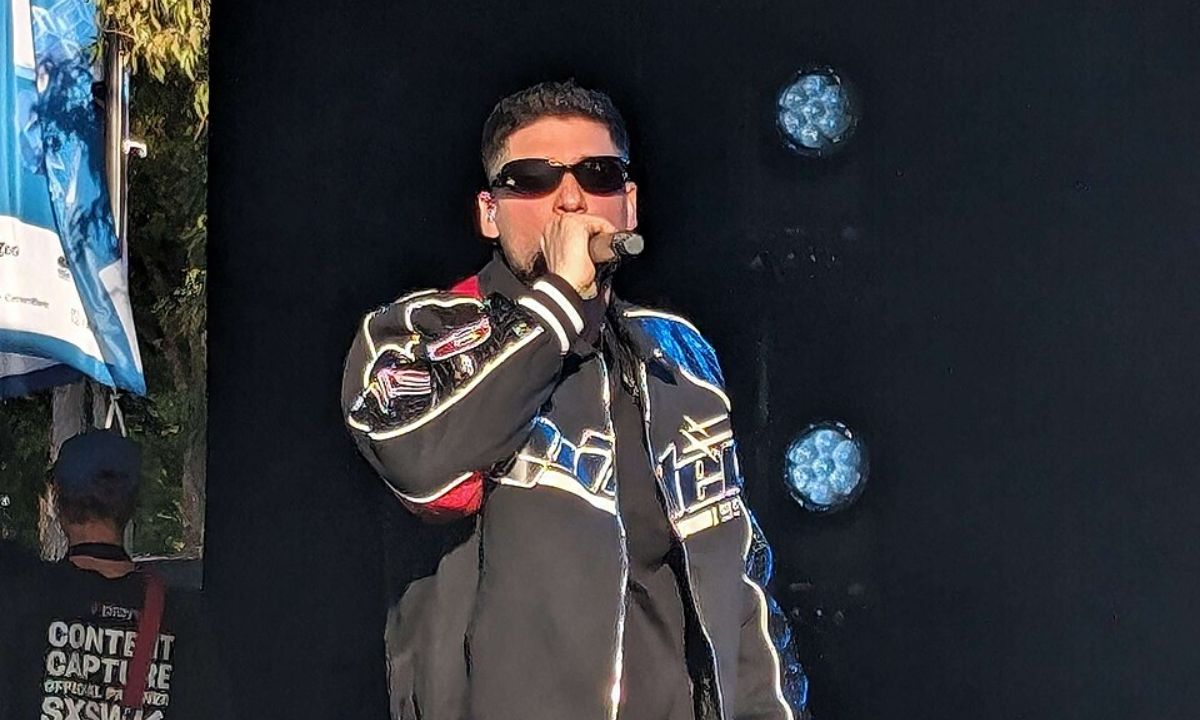
KRSNA has become one of the most respected names in Indian hip-hop. Known for his sharp lyricism, multilingual rap style, and competitive diss tracks, KRSNA has built a reputation as a technically gifted rapper with a loyal global fanbase. From underground rap battles to mainstream music collaborations, his journey reflects the rapid rise of India’s independent hip-hop culture.
Born as Krishna Kaul, KRSNA first gained attention during the early days of Indian English rap before transitioning into Hindi-language hip-hop. Over the years, he has released successful singles, albums, and collaborations with leading artists and labels. His lyrical depth, storytelling ability, and consistent musical evolution have made him one of the most influential rappers in South Asia.
In this detailed KRSNA biography 2026, readers will learn about his early life, family background, age, height, career milestones, net worth, music albums, controversies, and personal life. The article also covers his acting appearances, achievements, live performances, and future projects. Whether you are a longtime fan or discovering his music for the first time, this guide provides a complete overview of KRSNA’s life and career.
KRSNA Wiki/Bio
| Detail | Information |
| Full Name | Krishna Kaul |
| Stage Name | KRSNA |
| Birth Year | 1989 |
| Age (2026) | 37 Years |
| Birthplace | Delhi, India |
| Nationality | Indian |
| Profession | Rapper, Songwriter, Performer |
| Genres | Hip-Hop, Rap, Desi Hip-Hop |
| Height | 5 feet 10 inches |
| Weight | Approx. 70 kg |
| Zodiac Sign | Libra |
| Languages | Hindi, English |
| Net Worth (2026) | Estimated $2–3 Million |
| Active Years | 2006–Present |
Early Life of KRSNA
KRSNA was born as Krishna Kaul in Delhi, India, into a Kashmiri Pandit family. During his childhood, his family relocated to South London, where he spent a significant part of his early life. Growing up in the United Kingdom exposed him to Western hip-hop culture at an early age. Artists like Eminem, Tupac, Nas, and Jay-Z heavily influenced his musical taste and lyrical approach.
While attending school in London, KRSNA began writing rhymes and experimenting with rap music. Unlike many artists who entered the industry through commercial music, he focused deeply on lyricism and technical rap structure. His exposure to multicultural communities also shaped his ability to blend English and Hindi lyrics effectively. This international upbringing later became one of his biggest strengths as a rapper.
In interviews, KRSNA has mentioned that he initially struggled to find acceptance as an Indian rapper in the global hip-hop space. During the mid-2000s, Indian rap had limited commercial recognition. However, his determination pushed him to continue recording music independently. These early experiences laid the foundation for his future success and helped him become one of the pioneers of modern Indian hip-hop.
KRSNA Family
KRSNA comes from a well-educated and culturally rooted family. Although he prefers keeping most family details private, public information suggests that his parents supported his education and creative interests from an early age. His Kashmiri heritage also plays an important role in his identity and lyrical storytelling.
Unlike many celebrities who frequently showcase family life online, KRSNA maintains a relatively low-profile personal image. He rarely shares personal family moments on social media, choosing instead to focus on music, performances, and artistic projects. This reserved approach has helped him maintain privacy despite growing fame.
His family reportedly encouraged academic excellence while also allowing him to pursue music professionally. According to reports, balancing traditional expectations with a non-traditional career path was challenging in the beginning. However, as his popularity and earnings increased, his success validated his commitment to hip-hop. Today, KRSNA is often viewed as a role model for aspiring independent artists from South Asia.
KRSNA Height and Physical Stats
KRSNA stands approximately 5 feet 10 inches tall and maintains a lean athletic build. His estimated weight is around 70 kilograms. Fans frequently admire his stylish stage presence, minimalist fashion choices, and confident personality during live performances.
Unlike heavily commercialized pop artists, KRSNA’s image is closely tied to authenticity and underground rap culture. He is often seen wearing streetwear-inspired outfits, sneakers, hoodies, and monochrome fashion combinations. His appearance aligns naturally with the global hip-hop aesthetic while still retaining his unique identity.
In addition to his fashion sense, KRSNA is known for his energetic stage performances. His disciplined lifestyle and regular touring schedule require physical stamina and strong vocal endurance. Over the years, his visual branding has evolved alongside his music, helping him establish a recognizable public persona within the Indian rap industry.
Physical Stats Table
| Attribute | Details |
| Height | 5’10” (178 cm) |
| Weight | Approx. 70 kg |
| Hair Color | Black |
| Eye Color | Dark Brown |
| Body Type | Slim Athletic |
| Style | Streetwear / Urban Fashion |
KRSNA Age
As of 2026, KRSNA is 37 years old. Born in 1989, he has spent nearly two decades building his reputation in the music industry. His long career timeline makes him one of the most experienced artists in Indian hip-hop today.
Age has played an interesting role in KRSNA’s musical evolution. While younger rappers often focus on trends and viral success, KRSNA’s music reflects maturity, technical precision, and strategic storytelling. His lyrics frequently include references to industry politics, personal struggles, cultural identity, and artistic integrity.
Even in his late thirties, KRSNA remains highly relevant among Gen Z and millennial audiences. His ability to adapt to changing music trends while maintaining lyrical quality has helped him stay competitive in the rapidly evolving rap scene. Many fans consider him one of the few artists who successfully balance commercial appeal with authentic hip-hop values.
KRSNA Wife and Personal Life
KRSNA is known for keeping his romantic relationships private. As of 2026, there is no officially confirmed information regarding his wife or marriage. Public appearances and interviews also indicate that he prefers separating personal life from his professional career.
This privacy has led to curiosity among fans, especially because many modern celebrities openly share relationships online. However, KRSNA rarely discusses dating life, family planning, or personal relationships in media interactions. Instead, he focuses public attention on his music, performances, and artistic growth.
Outside music, KRSNA enjoys traveling, gaming, fashion, and exploring global hip-hop culture. His lifestyle reflects a balance between creative discipline and modern celebrity culture. According to fan observations, he spends significant time working in studios, planning tours, and collaborating with producers worldwide. His reserved personality has also contributed to his image as a serious and focused lyricist within the rap industry.
Musical Journey of KRSNA
The Beginning: Young Prozpekt Era (2006-2014)
KRSNA initially performed under the stage name “Young Prozpekt.” During this phase, he primarily released English-language rap songs targeting international audiences. At a time when Indian hip-hop was still developing, this approach was considered highly unconventional.
His early tracks showcased advanced rhyme schemes, punchlines, and Western hip-hop influences. KRSNA participated in rap competitions, online cyphers, and underground music communities. One of his earliest achievements came when he signed with a major music label, making him one of the first Indian rappers to receive international recognition.
Despite technical skill, the Indian audience at the time was not fully prepared for English-language rap from local artists. This commercial challenge eventually influenced KRSNA’s decision to shift toward Hindi hip-hop. However, the Young Prozpekt era remains historically important because it demonstrated that Indian artists could compete lyrically on a global level.
The Breakthrough: Kaisa Mera Desh (2010)
“Kaisa Mera Desh” became one of KRSNA’s most socially impactful songs. Released during a period of increasing political discussion in India, the track addressed corruption, inequality, and societal frustrations. Its bold message distinguished KRSNA from many commercially driven artists.
The song received significant online attention and introduced him to a wider audience beyond underground rap listeners. Critics praised his fearless lyricism and socially conscious writing style. Unlike mainstream Bollywood music, the track focused heavily on political commentary and real-world issues.
This breakthrough moment helped establish KRSNA as more than just a technical rapper. He became recognized as an artist capable of discussing serious themes through music. Many fans and critics still consider “Kaisa Mera Desh” one of the defining tracks of early Indian conscious rap.
Sellout Album (2014)
In 2014, KRSNA released the album “Sellout,” which represented an important turning point in his career. The project explored themes such as artistic compromise, commercial pressure, identity, and ambition within the music industry.
The album blended Western hip-hop production with introspective lyricism. Although it did not achieve massive commercial success initially, it earned respect among dedicated hip-hop listeners for its conceptual depth. Tracks from the album reflected KRSNA’s frustrations with industry expectations and his determination to maintain creative control.
“Sellout” also highlighted his ability to experiment with storytelling and thematic cohesion. Over time, the album gained cult status among Indian rap fans who appreciated lyrical complexity over mainstream formulas. Today, it is often viewed as an underrated project that helped shape the modern desi hip-hop movement.
The Hindi Revolution: Vyanjan (2016)
“Vyanjan” marked a revolutionary moment in KRSNA’s career and Indian rap culture. In the track, he used all Hindi consonants sequentially while maintaining rhyme, flow, and lyrical consistency. This innovative concept demonstrated extraordinary technical skill.
The song quickly went viral within hip-hop communities and became one of KRSNA’s most discussed releases. It proved that Hindi rap could achieve high levels of lyrical sophistication comparable to global rap standards. Many aspiring rappers cite “Vyanjan” as an inspiration for experimenting with language and wordplay.
Following the success of the track, KRSNA’s popularity increased significantly in India. His transition from English rap to Hindi hip-hop was now fully successful. More importantly, “Vyanjan” helped legitimize lyrical rap in the mainstream Indian music industry, influencing an entire generation of artists.
Still Here Album (2021)
The album “Still Here” became one of the most important projects of KRSNA’s career. Released in 2021, the album featured a polished mix of introspective songs, aggressive rap tracks, and commercial collaborations.
The project included themes of perseverance, industry politics, success, and self-belief. Songs like “Roll Up” and “Saza-E-Maut” received millions of streams across digital platforms. The album also demonstrated KRSNA’s ability to balance mainstream appeal with technical lyricism.
Critics praised “Still Here” for its production quality and cohesive artistic direction. The album strengthened KRSNA’s position among India’s top rappers and expanded his international fanbase. Streaming platforms, YouTube growth, and live concert demand all increased significantly following the album’s release.
Recent Work (2023-2026)
Between 2023 and 2026, KRSNA continued releasing singles, collaborations, and live performance content. His music during this period reflected increased global influence, modern production styles, and mature storytelling.
He collaborated with several international and domestic artists while expanding into multilingual rap formats. According to industry reports, KRSNA also increased focus on international touring, particularly in North America, the UK, and the Middle East where South Asian hip-hop audiences are growing rapidly.
Recent songs have explored themes such as fame, competition, independence, and personal growth. His evolving sound combines trap, drill, boom-bap, and experimental production while retaining his signature lyrical intensity. This adaptability has helped KRSNA remain relevant in the constantly changing digital music landscape.
Collaborations and Achievements
International Collaborations
KRSNA has collaborated with several international producers and artists throughout his career. His global exposure and bilingual rap style have made him appealing for cross-border music partnerships.
His collaborations often combine Indian cultural references with international hip-hop production techniques. These projects helped introduce desi hip-hop to audiences outside South Asia. Additionally, collaborations with foreign producers elevated production quality and expanded his creative range.
Industry experts frequently cite KRSNA as one of the Indian rappers most capable of competing internationally due to his technical rap skills and English-language fluency. His international recognition continues to grow through streaming platforms and global music festivals.
Domestic Collaborations
Within India, KRSNA has worked with major hip-hop artists including Raftaar, Badshah, and Karma. These collaborations helped bridge underground and mainstream rap audiences.
His partnership with the Kalamkaar label significantly expanded his reach in India’s independent music ecosystem. Tracks featuring multiple rappers also showcased his competitive lyrical ability, often making him a standout performer.
Domestic collaborations have played a major role in shaping the modern Indian rap industry. Through joint performances, cyphers, and music videos, KRSNA contributed to the commercialization and mainstream acceptance of desi hip-hop culture.
Notable Achievements
KRSNA’s achievements extend beyond streaming numbers. He is widely credited as one of the pioneers of lyrical rap in India. His influence helped raise standards for writing quality, rhyme complexity, and technical performance within Indian hip-hop.
He has accumulated millions of streams across platforms like Spotify, YouTube, and Apple Music. Concert attendance and international tours have also contributed to his reputation as a major live performer.
Additionally, KRSNA has been featured in major hip-hop discussions, documentaries, and digital music campaigns. His long-term consistency and influence on younger rappers make him one of the most respected figures in South Asian rap culture.
Famous Diss Tracks
KRSNA became especially famous for his diss tracks during rap feuds. Songs like “Maharani,” “Lil Bunty,” and “Machayenge 4” generated enormous online engagement and sparked debates within the hip-hop community.
These diss tracks showcased his lyrical aggression, layered wordplay, and battle-rap mentality. Unlike casual commercial rap songs, diss tracks require strategic writing and rapid audience engagement. KRSNA’s ability to deliver technically sharp responses strengthened his reputation significantly.
Rap beef culture also increased mainstream visibility for Indian hip-hop. Although controversial, these battles attracted millions of viewers and introduced new listeners to lyrical rap. KRSNA’s diss tracks remain among the most streamed and discussed releases in desi hip-hop history.
KRSNA Acting and Media Presence
Gully Boy (2019)
Gully Boy played an important role in bringing Indian hip-hop culture into mainstream cinema. Although KRSNA did not have a major acting role, the film contributed significantly to the popularity of artists associated with the rap movement.
The movie highlighted struggles faced by underground rappers and created wider public awareness of India’s hip-hop scene. Following the film’s release, streaming numbers for many rappers, including KRSNA, increased dramatically.
The success of “Gully Boy” also encouraged major brands, music labels, and digital platforms to invest more heavily in Indian rap culture. This broader industry growth indirectly benefited artists like KRSNA who had spent years building the movement independently.
Gully Boy: Voice of the Streets (2019)
Gully Boy: Voice of the Streets further expanded the visibility of Indian rap talent. The series focused on emerging artists and showcased the diversity of India’s hip-hop community.
KRSNA’s involvement in discussions around the show reinforced his position as a respected senior artist within the industry. His experience and lyrical reputation made him an influential figure during the rise of rap reality entertainment in India.
The show also helped educate mainstream audiences about battle rap, freestyle culture, and independent music production. This growing awareness created more opportunities for hip-hop artists nationwide.
Hundred Web Series (2020)
Hundred included music contributions connected to India’s growing rap culture. Around this period, streaming platforms increasingly began using hip-hop music in original web series and digital productions.
KRSNA’s association with entertainment platforms strengthened his media visibility beyond traditional music audiences. His songs became popular among younger streaming viewers who consume music through web content and short-form digital media.
The rapid growth of OTT platforms also expanded opportunities for independent musicians. Hip-hop artists could now reach audiences through film soundtracks, web series, advertisements, and branded collaborations.
Music Videos with Celebrities
KRSNA has appeared in high-production music videos featuring major celebrities, influencers, and artists from India’s entertainment industry. These visually polished projects helped elevate his commercial appeal.
His music videos often feature cinematic storytelling, luxury aesthetics, urban visuals, and stylized performance shots. Collaborations with mainstream entertainers increased exposure among casual music listeners who may not traditionally follow underground hip-hop.
The growth of YouTube and Instagram Reels also amplified the reach of his video content. Several of his releases crossed millions of views within short periods, strengthening both brand value and streaming revenue.
Social Media Presence
KRSNA maintains a strong presence across platforms including Instagram, YouTube, Spotify, and X. Social media has become a major factor in building his global fan community.
His content typically includes music announcements, tour updates, behind-the-scenes clips, and promotional campaigns. Unlike influencers who share daily lifestyle content, KRSNA focuses more on professional branding and music-centered communication.
Digital engagement has significantly contributed to his popularity. Viral rap battles, reaction videos, podcasts, and fan-created edits continue driving online conversations around his music. This strong digital ecosystem plays an important role in sustaining his career momentum.
KRSNA Net Worth
Public estimates suggest KRSNA’s net worth in 2026 ranges between $2 million and $3 million. His financial growth reflects the rising commercial value of Indian hip-hop globally.
Over the years, KRSNA diversified his income streams through streaming revenue, live concerts, music royalties, brand partnerships, and YouTube monetization. Independent artists today can generate substantial income through digital distribution without relying entirely on traditional record labels.
His increasing international popularity has also boosted ticket sales and merchandise revenue. Industry analysts believe that his earnings could continue rising as Indian hip-hop expands worldwide.
Income Sources
KRSNA earns money through multiple professional channels. Streaming platforms like Spotify, Apple Music, and YouTube contribute significantly to his recurring income.
Concert tours remain another major revenue source. Hip-hop concerts across India, the UK, Canada, and the United States attract large South Asian audiences. Additionally, brand endorsements and collaborations with fashion or music companies add to his annual earnings.
Publishing rights, royalties, and sponsored appearances further strengthen his financial portfolio. Diversified income sources have helped him build long-term financial stability within the entertainment industry.
Recent Earnings Estimates
According to public estimates and industry observations, KRSNA reportedly earns substantial yearly income from music streams and performances. High-viewership diss tracks and viral releases often generate increased advertising and platform revenue.
His growing international demand also allows for premium concert pricing and exclusive event bookings. Meanwhile, digital monetization through short-form video platforms continues contributing to artist income worldwide.
Although exact salary details remain private, financial analysts consider KRSNA one of the better-earning independent rappers in India’s music industry today.
Car Collection
KRSNA has occasionally showcased luxury vehicles through music videos and public appearances. While he maintains a relatively low-key lifestyle compared to some celebrities, reports suggest he owns premium cars associated with urban luxury culture.
Hip-hop artists frequently use luxury automobiles as visual symbols of success, ambition, and financial achievement. KRSNA’s car collection reportedly includes modern sedans and high-end SUVs.
However, unlike heavily image-focused entertainers, KRSNA’s public identity remains centered more on lyricism and artistry than material display. This balance contributes to his authenticity among core hip-hop audiences.
Controversies and Legal Battles
IPL Plagiarism Allegation (2020)
In 2020, discussions emerged online regarding similarities between IPL promotional material and hip-hop creative concepts. KRSNA’s name became associated with broader conversations about originality and artistic recognition within Indian entertainment.
Although the situation generated social media debate, no major legal judgment significantly affected his career. The incident highlighted ongoing concerns around intellectual property and creative credit in the digital era.
Hip-hop artists often face challenges protecting lyrical identity, branding, and original concepts online. This controversy also demonstrated how rapidly fan communities react to perceived artistic similarities on social platforms.
The Emiway Bantai Feud
One of the biggest controversies in KRSNA’s career involved his feud with Emiway Bantai. Their rivalry produced multiple diss tracks and became one of the most talked-about rap battles in India.
The feud generated millions of views across YouTube and streaming platforms. Fans intensely debated lyrical superiority, authenticity, and commercial success between the two rappers.
While controversial, the battle significantly increased mainstream interest in Indian hip-hop culture. Industry experts believe the feud contributed to wider public understanding of rap competition traditions and battle-rap dynamics.
Also Read This Celebrity : Diego Tinoco Height: Net Worth, Age and Bio
KRSNA Recent Updates (2026)
Continued Global Expansion
By 2026, KRSNA continues expanding his international presence through tours, collaborations, and digital campaigns. South Asian audiences in the United States, Canada, and the United Kingdom remain key markets for his music.
The globalization of streaming platforms has allowed independent Indian rappers to reach worldwide audiences more efficiently than ever before. KRSNA’s bilingual skills give him a competitive advantage in international markets.
Music analysts expect Indian hip-hop exports to continue growing, with KRSNA positioned among the leading global ambassadors of the genre.
New Music Projects
Recent reports indicate that KRSNA is working on multiple singles and collaborative projects for upcoming releases. Fans anticipate new albums featuring experimental production and international features.
His recent musical direction suggests continued exploration of drill, trap, and melodic rap influences while maintaining lyrical depth. This adaptability helps him stay competitive within modern streaming-driven music trends.
Upcoming projects are also expected to include visually ambitious music videos and live performance integrations designed for digital-first audiences.
Awards and Recognition
Although Indian hip-hop award infrastructure is still developing, KRSNA has received significant recognition from fans, critics, and digital music communities.
He is frequently listed among India’s top lyricists and most influential rappers. Streaming milestones, sold-out performances, and industry respect continue reinforcing his reputation.
As desi hip-hop gains institutional recognition globally, artists like KRSNA are increasingly being acknowledged for shaping modern South Asian music culture.
Mentorship Role
KRSNA has gradually become a mentor figure for younger rappers entering the industry. His long career experience provides valuable insight into independent music production, branding, and lyrical development.
Through collaborations and public interactions, he encourages artistic discipline and originality. Many emerging rappers cite his technical writing style as a major influence on their own careers.
Mentorship has become increasingly important as Indian hip-hop grows rapidly and attracts new talent from smaller cities and international communities.
Live Performances
KRSNA remains a powerful live performer known for high-energy concerts and strong audience engagement. His live sets combine aggressive rap delivery with crowd interaction and visually immersive stage production.
Concert demand for hip-hop artists has increased dramatically in India over the last decade. Music festivals, college events, and international tours now regularly feature rap performers alongside mainstream singers.
His 2026 performance schedule reportedly includes appearances across Asia, Europe, North America, and the Middle East, reflecting the expanding global reach of desi hip-hop culture.
Frequently Asked Questions
Who is KRSNA?
KRSNA is an Indian rapper, songwriter, and hip-hop artist known for lyrical rap, diss tracks, and multilingual music. He is considered one of the pioneers of modern Indian hip-hop.
What is KRSNA’s real name?
KRSNA’s real name is Krishna Kaul. He previously performed under the stage name Young Prozpekt during his early career.
What is KRSNA’s net worth in 2026?
Public estimates suggest KRSNA’s net worth is between $2 million and $3 million in 2026, mainly earned through music, concerts, streaming, and brand collaborations.
Is KRSNA married?
As of 2026, there is no officially confirmed information regarding KRSNA’s wife or marriage. He keeps his personal relationships private.
Why is KRSNA famous in Indian hip-hop?
KRSNA is famous for technical lyricism, powerful diss tracks, bilingual rap skills, and influential projects like “Vyanjan” and “Still Here.”
Conclusion
KRSNA’s journey from underground rapper to international hip-hop figure represents the evolution of Indian rap culture itself. Through technical lyricism, fearless diss tracks, and innovative Hindi rap experiments, he has built a legacy that extends beyond commercial music success. His ability to balance authenticity with mainstream appeal continues attracting fans across generations.
From the Young Prozpekt era to major global performances, KRSNA has consistently adapted while maintaining lyrical integrity. His albums, collaborations, and digital presence have helped shape modern desi hip-hop into a globally recognized movement. Meanwhile, his growing international reach demonstrates the expanding influence of South Asian rap artists worldwide.
As of 2026, KRSNA remains one of the most respected voices in Indian hip-hop. With new music projects, expanding tours, and increasing global recognition, his career trajectory continues moving upward. For fans of lyrical rap, battle culture, and authentic storytelling, KRSNA stands as one of the defining artists of contemporary Indian music.
